














































 By
By
-1376-568.jpg "vape laws in the us by state")
Vaping laws in the United States are constantly evolving. Unlike many countries, regulations are not unified nationwide. Instead, the U.S. uses a combination of federal oversight and state-level laws, creating a complex system for both consumers and businesses in 2026.
Federal Vape Laws: The Foundation
1. FDA Authorization
The FDA regulates all vaping products under the Tobacco Control Act:
- Only FDA-authorized products can be legally sold.
- Only a limited number of products have been approved.
- Most flavored disposable vapes are not officially authorized.
2. Minimum Age Law
Federal law sets the minimum age at 21. More details can be found at public policy resources.
- Must be 21+ to purchase.
- Strict ID verification required at all points of sale.
3. Enforcement
Recent enforcement actions include import restrictions and penalties. Refer to the comprehensive report on the 2026 "seize and destroy" federal laws.
Why State Laws Matter
States regulate taxation, product access, and retail rules. Overview data is available at World Population Review. This means a product legal in one state may be restricted in another.
| Regulatory Tier | State | Key Restrictions/Features |
|---|---|---|
| Strict Regulation | California | Strict flavor laws, disposable restrictions |
| New York | Flavor bans, registry system | |
| Massachusetts | Comprehensive flavor bans | |
| Utah | Strict retail controls | |
| Moderate Regulation | Florida | Local enforcement rules |
| Texas | Compliance-focused regulations | |
| Pennsylvania | Product registry system | |
| Illinois | Taxes and licensing | |
| Less Restrictive | Nevada | Fewer restrictions |
| Arizona | Flexible regulations | |
| Georgia | Moderate oversight |
Deep Dive: Registries, Disposables, and Flavors
State Vape Registries
Some states now use product registries to control what can be sold. For example, Pennsylvania enforcement issues are discussed at Spotlight PA.
Disposable Vape & Flavor Restrictions
Several states are moving to restrict disposables. See research at Duke University analysis.
Flavor Bans: These remain the most debated policies, focusing on youth usage prevention and public health outcomes.
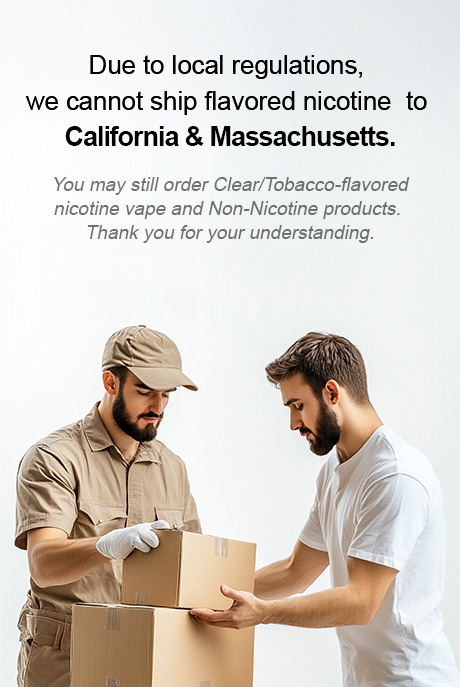
Online Sales & Shipping
- ✅ Age Verification: Strict digital verification required before purchase.
- ✅ Shipping: Restrictions vary by state (PACT Act compliance).
- ✅ Direct-to-Consumer: Some states limit or ban online shipments directly to residences.
Key Data Summary
| Factor | Federal Rule | State Variation |
|---|---|---|
| Age | 21+ | Same nationwide |
| Flavors | Limited | Banned in some states |
| Approval | FDA required | State registries |
| Disposables | Allowed | Restricted locally |
For Consumers
- Must be 21+ to buy.
- Product availability varies by state.
- Local laws may prohibit certain devices.
For Businesses
- Compliance is absolutely essential.
- Severe penalties for violations.
- Market shifting toward regulated products.
Frequently Asked Questions
Is vaping legal in all U.S. states?
Yes, vaping is legal nationwide in 2026, but specific regulations, taxes, and flavor restrictions vary widely from state to state.
What is the legal age to vape in the U.S.?
The federal minimum age to purchase any tobacco or nicotine product, including vapes, is 21 years old.
Are disposable vapes banned in the U.S.?
There is no total federal ban, but the FDA has not authorized most flavored disposables, and several states have implemented their own restrictions or bans.
Can I buy vapes online?
Yes, online purchases are allowed but require robust age verification and must comply with state-specific shipping laws and the federal PACT Act.
Why are vape laws different in each state?
Under the U.S. federalist system, individual states have the authority to regulate public health and commerce within their borders, leading to a patchwork of different laws.









comments