














































 By
By
Electronic cigarettes are powered by high-drain lithium-ion batteries. We have all seen sensationalized news headlines detailing modern battery failures, making it completely logical to worry about catastrophic combustion when advanced electronics meet moisture. In this comprehensive guide, we will break down the exact science of water damage, answer whether your wet device poses an immediate blast hazard, detail the critical do's and don't's of vape rescue, and introduce some of the safest, top-tier replacement options available in stock today if your device is beyond saving.
The Science: What Happens When a Vape Hits Water?
To understand the explosion risk, we must look at how water interacts with electronic circuitry and lithium batteries. Pure water (H₂O) is actually a poor conductor of electricity. However, the water we encounter in daily life—tap water, pool water, toilet water, and especially saltwater—is packed with dissolved minerals, salts, and chlorine. These impurities turn the liquid into a highly effective electrolyte solution capable of conducting electrical currents.
When this conductive water penetrates the outer shell of a vape hardware system, it creates low-resistance bridges between electrical paths that were never meant to connect. This phenomenon is known as a short circuit. A short circuit bypasses the regular power management pathways, allowing the unrestricted flow of current straight from the power supply.
Will It Explode? Assessing the True Threat Level
The short answer is: An immediate explosion is rare, but the risk of internal battery failure, thermal runaway, and fire is exceptionally high if the device is handled incorrectly.
Whether your device becomes a physical hazard depends entirely on the type of device you own and how the internal components react to the liquid penetration:
1. Disposable Vapes and Built-in Battery Systems
Modern disposable vapes and pod systems are highly integrated devices. Because they are designed to be compact and affordable, their internal wires, automated draw sensors, and miniature lithium-ion cells sit in incredibly close proximity to each other. When water enters, it can cause the automatic microphone sensor to malfunction, locking the device into a state of continuous firing. Because you cannot easily remove the battery from a disposable, a sustained short circuit can rapidly heat the internal cell, leading to thermal runaway.
2. Regulated Vape Mods (Advanced Chipsets)
Regulated devices utilize advanced printed circuit boards (PCBs) outfitted with safety chips designed to prevent overcharging, short-circuiting, and low voltage. Organizations like the U.S. Food and Drug Administration (FDA) emphasize that modern regulated features significantly mitigate spontaneous failure risks. However, if water bridges the physical connections on the board before the safety chip can intercept the current, or if the water corrupts the safety chip itself, those digital fail-safes are rendered completely useless.
3. Unregulated Mechanical Mods (Extreme Danger Warning)
If you are using an unregulated mechanical mod, dropping it in water presents an absolute emergency. Mechanical mods possess absolutely zero internal computer chips, wires, or digital fail-safes. They are raw metal tubes that complete a physical circuit. If conductive water bridges the positive and negative terminals of a mechanical mod, the cell will continuously discharge at maximum capacity. This will almost certainly trigger thermal runaway, gas venting, and a violent rupture or blast if the gases cannot escape the chassis.
Thermal runaway is a chemical chain reaction that occurs when an internal short circuit or external heat source causes a lithium cell's temperature to spike uncontrollably. Once the cell reaches a critical thermal threshold, it releases highly flammable gases and built-up pressure. If these gases are tightly trapped within a sealed metallic or plastic casing, the structural breakdown results in an explosion or a fierce, torch-like chemical fire.
The Critical Immediate Action Plan: What to Do Next
If your device was submerged, your immediate actions dictate whether the hardware can be salvaged or if it becomes a safety hazard. Follow these steps immediately:
- Retrieve It Safely: Pull the device out of the water immediately. If it fell into water while plugged into an active wall charger, do not touch it. Turn off the primary electrical circuit breaker for that room before handling the cord to avoid deadly electrocution.
- Power Down: If your regulated mod is still on and responding, rapidly click the power button five times to shut off the operating system. For auto-draw disposables, observe if it is auto-firing (hissing or crackling). If it is auto-firing, place it on a non-flammable surface outdoors immediately.
- Extract the Power Source: If you are using a removable battery mod, open the battery door right away and take out the external 18650 or 21700 batteries. Dry them thoroughly with a clean cloth and check their protective plastic wraps for tears. If the battery wrap is damp or damaged, dispose of it at a recycling center.
- Disassemble and Wipe Down: Remove the pod cartridge, tank, or atomizer. Wipe down all accessible connections, threads, and internal pins using paper towels or a lint-free microfiber cloth.
- Evaporate Internal Moisture: Shake the device firmly with the charging port facing downward to force out trapped water droplets.
Fatal Mistakes: What You Absolutely Must NOT Do
Many common internet "hacks" for drying wet electronics will actually destroy your device or accelerate an explosion hazard. Avoid these dangerous mistakes:
- NEVER Use Rice: The old myth of placing wet electronics in a bowl of dry rice is highly detrimental to vapes. Rice dust, starch, and small grains easily slip inside air intake holes, charging ports, and internal buttons. This debris mixes with the water to create a thick paste that gums up switches, traps internal humidity, and ruins electronic circuitry permanently.
- NEVER Apply Direct Heat: Do not use a hair dryer, microwave, conventional oven, or heat gun to dry your device. Extreme heat degrades the delicate internal chemical separators of lithium batteries, which can trigger the exact thermal runaway explosion you are trying to prevent.
- NEVER Charge a Wet Device: Plunging a damp charging port into a live electrical cable forces a high-voltage current directly into compromised, wet components. This will instantly fry the chipset, blow fuses, and create massive sparks.
- NEVER Take a Puff to Test It: Drawing air through a wet disposable can pull liquid directly onto the microphone sensor or battery contacts, causing a sudden short circuit right next to your face.
The Correct Way to Dry and Restore a Vape
If you want to try and salvage a high-end regulated mod or an expensive pod kit after a freshwater dip, the safest method relies on natural airflow and patience. Place the disassembled components inside a well-ventilated area with a steady breeze, such as next to an open window or in front of an electric desk fan.
For advanced moisture extraction, place the device inside an airtight container accompanied by several packets of commercial silica gel desiccant. Silica gel absorbs ambient humidity much more efficiently than rice without shedding harmful residues. Leave the device completely alone for at least 24 to 48 hours before attempting to reinstall batteries or power it back up.
Safety Warning: If your device was dropped into saltwater, pool water, or sticky liquids like soda or juice, the corrosion process starts almost instantly. Even if the device dries out, mineral and chemical crusts will remain on the internal wiring, presenting a permanent fire hazard. In these scenarios, it is always safest to responsibly recycle the broken device and purchase a brand-new, factory-sealed replacement.
Top Safety-Focused Replacement Devices in Stock
If your old vape took a swim and is permanently out of commission, you should look for modern replacements engineered with robust builds, tight seals, and cutting-edge safety features. Below are some of the most reliable and popular high-performance options currently in stock and ready to ship at Vapesourcing:
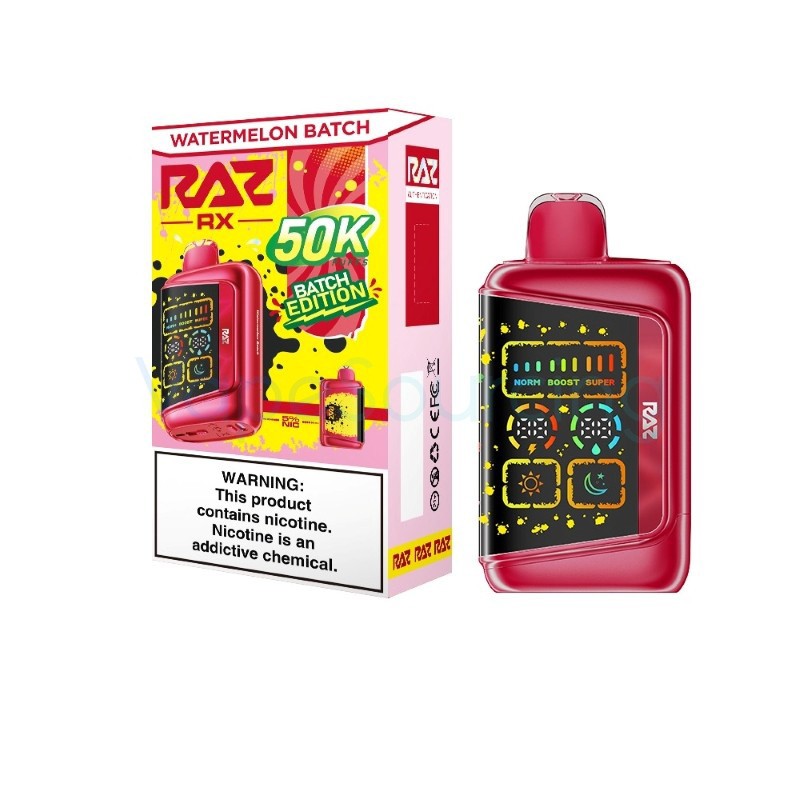
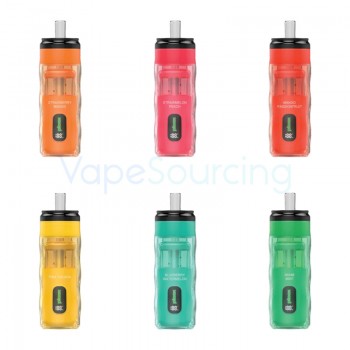
1. RAZ RX50K Batch Edition Disposable Vape
For users who love maximum convenience without sacrificing premium safety indicators, the RAZ RX50K stands out. This massive-capacity disposable features an advanced digital display screen that monitors both remaining e-liquid and battery life in real-time. Driven by optimized internal power boards, it ensures consistent power output without overloading the high-density cell. This makes it a great choice if you need a durable, reliable disposable vape.
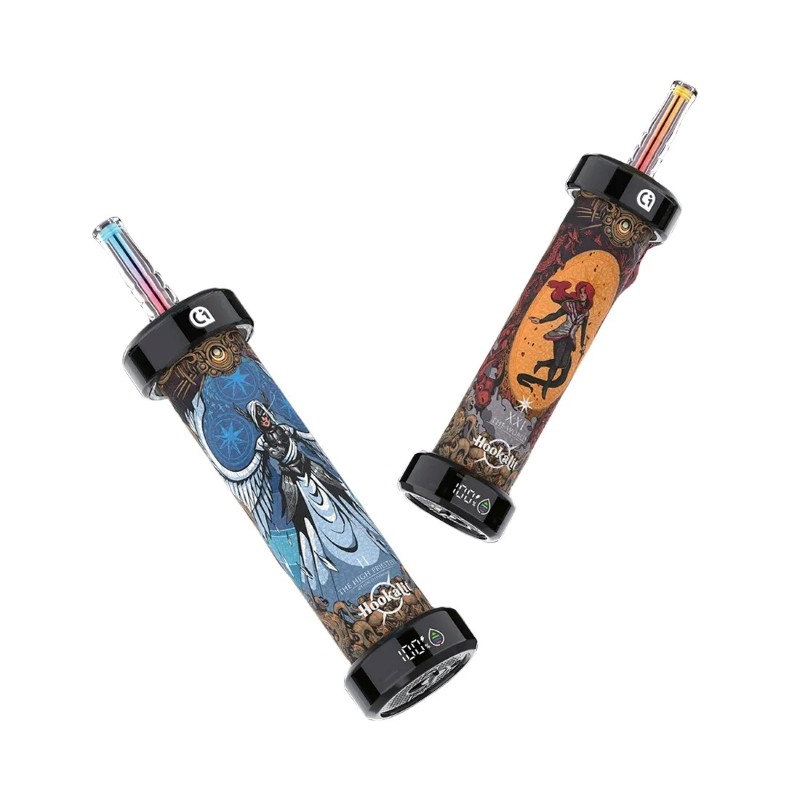
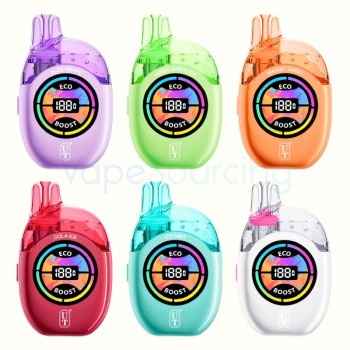
2. Olit Hookalit 40000 Disposable Vape
If you prefer a sub-ohm style draw with massive clouds, the Olit Hookalit 40000 delivers an impressive hook-style direct-to-lung (DTL) shisha vaping experience. It features high-grade structural casing and secure internal component housing to prevent loose wires from shorting out. Its balanced charging system protects the device during recharges, ensuring safety alongside massive performance.
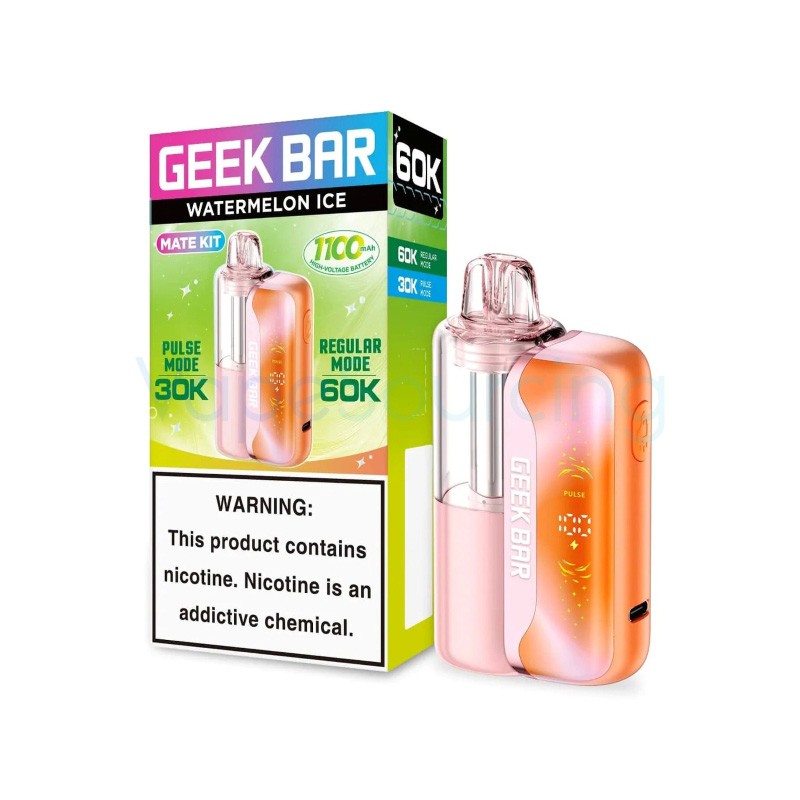
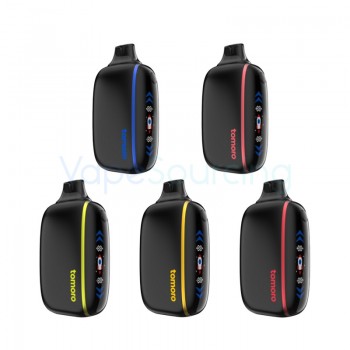
3. Geek Bar Mate 60K Kit
Geek Bar has consistently set industry standards for internal safety structures. The Geek Bar Mate 60K Kit integrates an upgraded smart chip framework that actively regulates temperature and guards against short circuits. Its heavy-duty exterior shell offers strong resistance against minor daily impacts and accidental drops, protecting the delicate high-performance lithium cell inside.
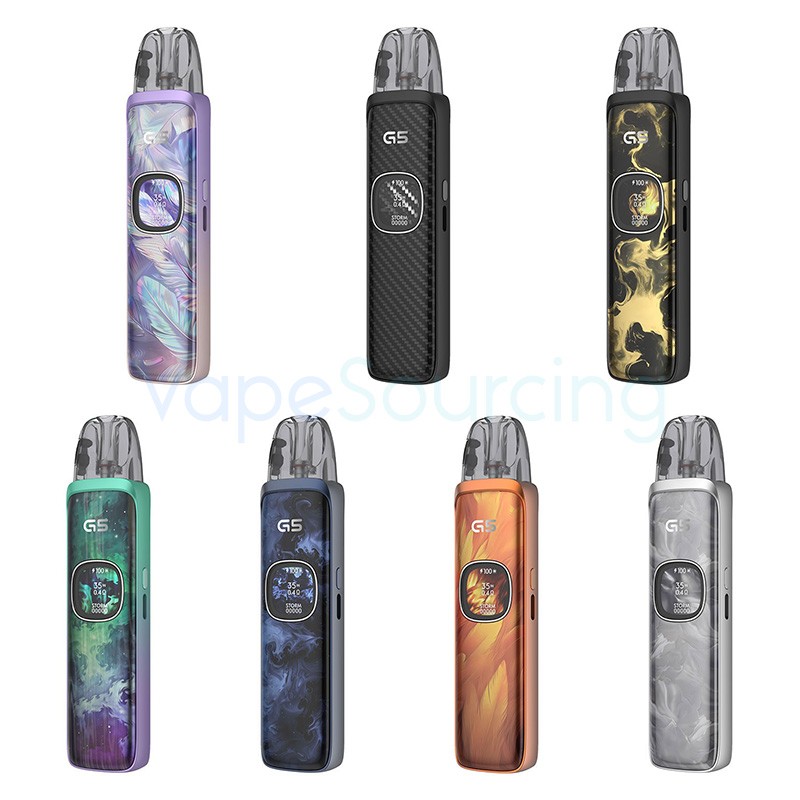
4. Uwell Caliburn G5 Pod System Kit
If you want to move away from disposables and invest in a premium, refillable open-pod system, the Uwell Caliburn series is highly recommended. The Uwell Caliburn G5 features a tightly sealed structural design that minimizes e-juice or external moisture leakage into the structural chamber. Powered by Uwell's legendary Pro-FOCS flavor adjustment technology, its internal chipset includes a full array of digital protections, including short-circuit, low-voltage, and overtime vaping cutoffs.
Frequently Asked Questions (FAQs)
Q1: How can I tell if my vape is permanently broken after dropping it in water?
Signs of fatal water damage include a screen that refuses to turn on, a device that becomes unusually hot to the touch, constant auto-firing sounds without you inhaling, a blinking light indicator error code, or a complete failure to produce vapor after being allowed to dry for 48 hours. If any of these symptoms manifest, stop using the device immediately.
Q2: Can I charge my disposable vape after it dries out?
We strongly advise against charging a disposable vape that has experienced full water submersion. Because disposables lack heavy-duty internal insulation and cannot be fully disassembled to check for deep corrosion, connecting them to an active electrical source can trigger a short circuit, resulting in melted plastics or battery venting.
Q3: Is a water-damaged vape battery safe to throw away in regular trash bins?
Absolutely not. Lithium-ion batteries present an extreme fire hazard to sanitation workers and can leak hazardous chemicals into local soil when compressed in garbage trucks. Any vape device—especially water-damaged ones—must be taken to a dedicated local e-waste collection center, hazardous waste disposal site, or a participating retail battery recycling kiosk.
Q4: Are there any waterproof vapes available on the market?
Yes, several manufacturers design hardware certified with an IP67 or IP68 rating. Devices with these specifications are tested to withstand full submersion in freshwater down to a depth of one meter for up to 30 minutes, alongside complete dust protection. If you work outdoors or are frequently around water, choosing an IP-rated rugged mod is a smart preventative investment.
Q5: My vape fell into water for just one second and still works. Is it completely safe?
Not necessarily. While you might have avoided an immediate hard short circuit, water trapped inside the housing will slowly oxidize and corrode the metal copper paths on the circuit board over the following days or weeks. This progressive corrosion can cause unexpected safety cutouts or sudden device failure later down the line. It is best to monitor the device closely and keep it stored on a non-flammable surface when not in use.






comments