





























































 By
By
A small Swedish company called Enorama Pharma just took the FDA to court, and the entire nicotine pouch industry is holding its breath. This goes way beyond one company fighting over paperwork. We're talking about whether independent brands can even exist anymore in a system that seems built for tobacco giants with bottomless pockets.
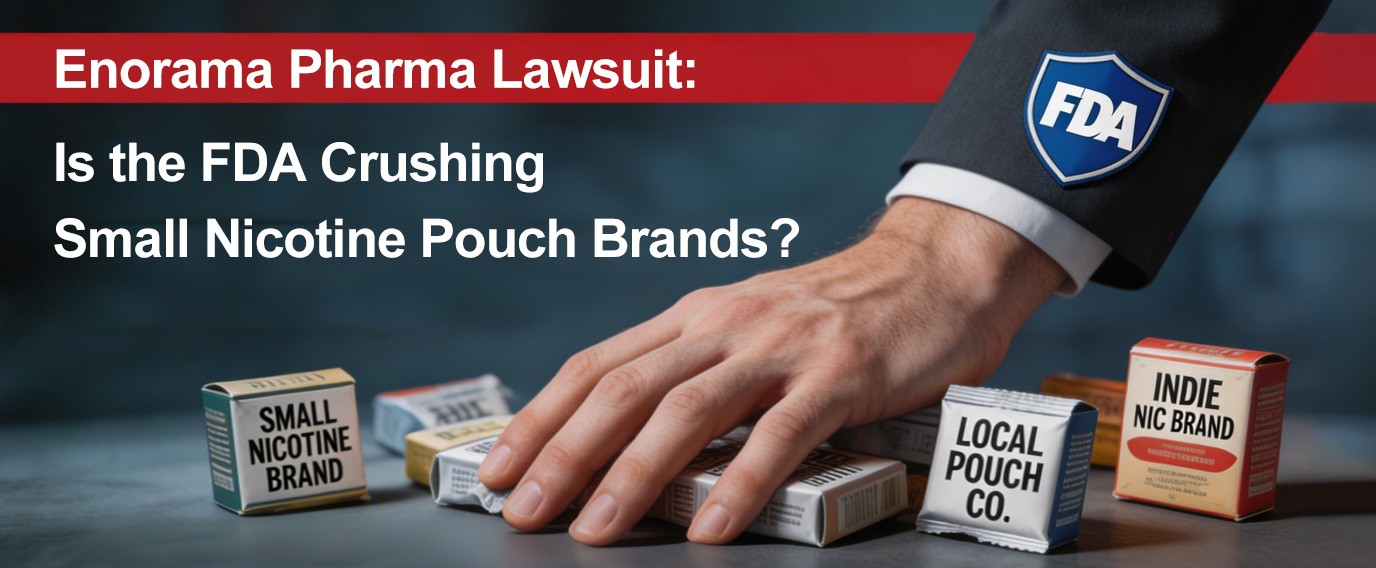
Regulations meant to rein in Big Tobacco might actually be handing them the market on a silver platter. Here we are in 2026, watching a legal fight that could decide if real innovation stands a chance against red tape.
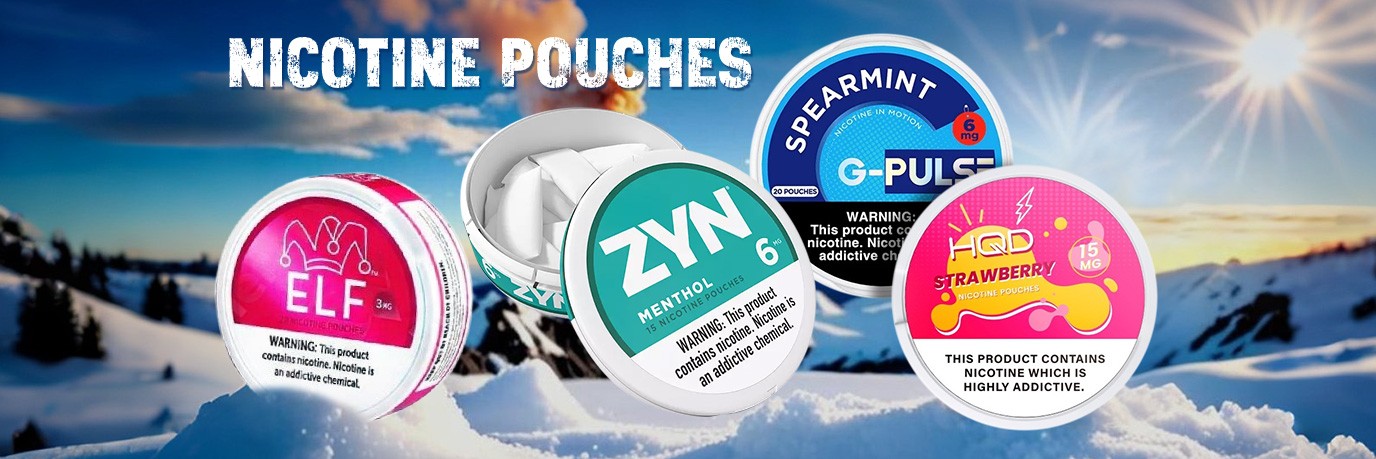
What Are Nicotine Pouches and Why Consumers Are Switching?
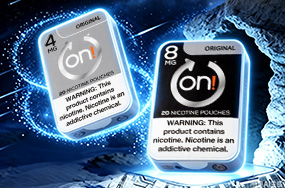
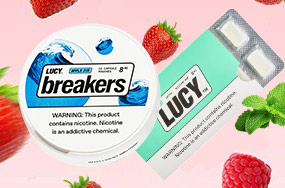
Nicotine pouches are small pillows placed between the lip and gums. They provide nicotine without tobacco leaves, smoke, or the unpleasant spitting associated with chewing tobacco.
Key reasons for the consumer shift include:
- Unmatched Convenience: Use in meetings, on planes, or in public without disturbing others.
- Risk Reduction: Many switch from combustible smoking to pouches as a significantly less risky alternative.
- Discretion: No smoke, no smell, and no specialized equipment needed.
How Nicotine Pouches Compare to Vaping Products
While both aid in quitting smoking, they operate differently:
- Hardware-Free: Pouches require no electronics, batteries, or heating elements.
- Social Acceptance: There are no clouds of vapor, making them ideal for environments where vaping is restricted or socially discouraged.
The Core of the Conflict: Why Enorama Pharma is Suing the FDA
Enorama filed their lawsuit in Washington DC after the FDA issued Marketing Denial Orders (MDOs). Despite investing millions in research and scientists, their applications were rejected.
"How can you fix a problem when nobody tells you what the problem is? This regulatory uncertainty makes it impossible for smaller outfits to compete."
Enorama argues the FDA broke the Administrative Procedure Act by playing favorites. Their data allegedly matched or exceeded the standards of the big tobacco players who received approvals.
The Role of the Administrative Procedure Act
This law mandates that government agencies play by the rules and explain decisions clearly. Enorama’s complaint suggests the FDA:
- Changed requirements midway through the application process.
- Pulled the plug before companies could respond to new requests.
- Acted arbitrarily, which is prohibited under federal law.
The Impact of PMTA Rules
The Pre-Market Tobacco Application (PMTA) process costs millions per product. This includes lab work, FDA-specific consultants, and clinical trials. While Big Tobacco writes these checks easily, a small startup might spend their entire three-year budget on a single application.
The Waiting Game: Companies often sit for 1 to 4 years without income while waiting for a decision, causing investor flight and financial exhaustion.
Are Big Tobacco Companies Favored?
The results speak for themselves. Philip Morris, British American Tobacco, and Swedish Match have received approvals. These giants possess:
- Dedicated regulatory affairs departments.
- Decades-long relationships with academic researchers.
- Legal teams capable of overwhelming any regulatory hurdle.
How This Lawsuit Could Shape the Future
Possible Legal Outcomes
An Enorama win could force the FDA to establish fixed, transparent standards for all. Conversely, an FDA win could signal "game over" for independent brands, leading to a total monopoly by legacy tobacco companies.
Frequently Asked Questions (FAQ)
Enorama aims to overturn the FDA's Marketing Denial Orders (MDOs) and prove that the agency acted arbitrarily by rejecting their application while approving similar products from large tobacco corporations.
Yes, nicotine pouches remain legal, but only those that have received marketing-granted orders or are under a specific enforcement discretion period can be sold.
The process requires extensive clinical trials and research that can cost millions of dollars, favoring companies with massive capital.
No. Unlike traditional snuff, nicotine pouches use tobacco-derived nicotine or synthetic nicotine but do not contain actual tobacco leaf material.
A loss would likely accelerate market consolidation, leaving major tobacco giants in control, potentially reducing consumer choice.
Conclusion
The Enorama case highlights a broken system. We built regulations to protect public health, but they currently function as a barrier that protects corporate giants from innovation. Does scientific evidence matter if you don't have a giant's bank account?















comments